Buying A Condo Or Townhome In Santa Clara
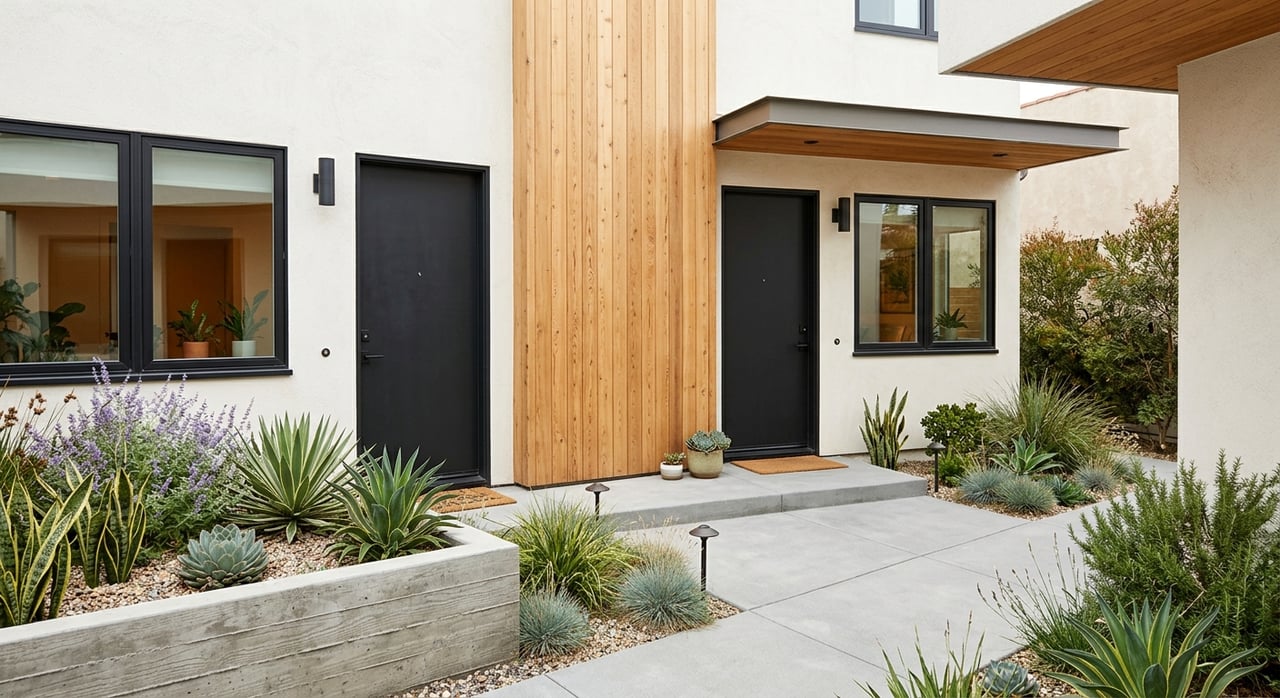
Wondering whether a condo or townhome in Santa Clara is the right fit for your lifestyle and budget? You are not alone. For many buyers, attached housing offers a practical path into homeownership in Silicon Valley, but the details matter more than the label on the listing. If you understand what you are buying, what the HOA covers, and what to review before removing contingencies, you can move forward with more confidence. Let’s dive in.
In Santa Clara, a home described as a “townhome” is not always a townhome in the legal sense. In California, the legal structure of the property matters more than the exterior style. A condominium is a separately owned unit plus an undivided common interest in the project, while a planned development includes a separate lot, parcel, area, or space with HOA-owned or HOA-maintained common areas or easement rights.
That means the marketing language may not tell the full story. A property that looks and lives like a townhome may still be legally classified as a condo. Before you move ahead, you will want to confirm the deed, condominium plan, CC&Rs, and plat or map so you know exactly what ownership interest you are getting.
The legal setup affects more than paperwork. It can influence maintenance duties, financing questions, insurance needs, and what parts of the property are yours alone versus shared with the association.
This is especially important in attached housing, where parts of the home that feel private may not be part of your separate ownership. California law says items like balconies, patios, exterior doors, doorframes, windows, and stoops are often considered exclusive-use common area unless the governing documents say otherwise.
Exclusive-use common area is one of the most misunderstood parts of condo and townhome ownership. You may have the right to use a balcony or patio, but that does not automatically mean you own it outright in the same way you own the interior of your home.
Why does this matter? Because maintenance, repair, and replacement responsibilities may be split between you and the HOA. Under California Civil Code 4775, the owner generally maintains exclusive-use common area, while the association generally repairs and replaces it, unless the declaration says something different.
Monthly HOA dues are a major part of your real housing cost, so it is smart to look beyond the number itself. In many Santa Clara condo and townhome communities, dues help fund common-area maintenance, reserves for future repairs, insurance, and association administration.
Still, not every HOA allocates funds the same way. The governing documents and annual budget will show how the money is being used. You should also ask whether the property has any special taxes or assessments that could increase your monthly outlay.
A low HOA fee may look appealing at first glance, but the more important question is whether the association is financially prepared for future work. If reserves are weak and major repairs are coming, owners may face special assessments.
For buyers, the most useful documents are the annual budget report and the reserve disclosure summary. In California, the annual budget report includes the operating budget, reserve summary, reserve funding plan, deferred major-component repairs, whether special assessments are expected, outstanding loans, and insurance information. For condominium projects, it must also state FHA and VA approval status.
The reserve funding disclosure summary adds another layer. It shows the regular assessment, any already-approved special assessments, and projected reserve funding over the next 30 years and five budget years. This is one of the best places to spot whether the HOA seems proactive or stretched.
Attached housing often depends on shared systems and exterior components, so deferred maintenance can be costly. California requires a visual reserve-study inspection at least every three years when major components meet the statutory threshold.
Condominium projects must also complete exterior elevated element inspections on a nine-year cycle. The first cycle was due by January 1, 2025, and the report is incorporated into the reserve study. If an inspected element presents an immediate safety threat, the association must act quickly and restrict access.
For you as a buyer, this means inspection reports and reserve materials are not just technical documents. They can offer early clues about pending repairs, future dues pressure, and the overall condition of the community.
Insurance is another area where condo and townhome buyers sometimes make assumptions. The HOA’s insurance may cover certain parts of the project, but it may not cover your personal property, your interior improvements, or all deductible costs.
California requires the annual budget report to include an insurance summary listing the insurer, policy type, limits, and deductibles. That summary can help you understand where the association’s coverage stops and where your own policy may need to begin.
Every HOA has rules, and those rules can shape your day-to-day experience in the home. California allows HOAs to adopt operating rules, but they must be written, within the board’s authority, consistent with law and governing documents, adopted in good faith, and reasonable.
Before you remove contingencies, read the CC&Rs, bylaws, and operating rules carefully. Pay close attention to rules about renovations, architectural approvals, rentals, use restrictions, parking, and enforcement procedures.
If you may rent the property in the future, this step is especially important. California law says an HOA may not unreasonably restrict renting and may not set a rental cap below 25 percent of the separate interests, though it may still prohibit short-term rentals of 30 days or less.
If the HOA requires approval for physical changes, the process must be fair, reasonable, and prompt. If a request is denied, the denial must be explained in writing and include a reconsideration process. That can be helpful if you are planning updates after closing.
For a resale condo or other common-interest home, the disclosure package can tell you a great deal about the property and the association. In California, the seller must provide governing documents, recent annual budget materials, a statement of current assessments and unpaid charges, unresolved violation notices, approved but not yet due assessment changes, rental restrictions if any, and the most recent exterior elevated element inspection report.
You can also request board minutes from the previous 12 months. These minutes often contain valuable insight into recurring repair issues, owner concerns, vendor projects, and possible upcoming expenses.
If the package feels overwhelming, start here:
These are usually the documents that reveal future dues changes, special assessment risk, repair backlogs, rental limitations, and how the HOA is being managed.
If you are considering new construction, there is one more document to add to your list. The California Department of Real Estate requires subdividers to obtain a public report before marketing new subdivisions.
That public report can include information on CC&Rs, costs and assessments, utilities, water, roads, soil, geologic conditions, title, zoning, use restrictions, hazards, and completion financing. For buyers who want a clearer picture of a brand-new community, it is an important document to review early.
Depending on your situation, local homeownership resources may also be worth exploring. The City of Santa Clara’s Housing & Community Services Division offers homeowner and homebuyer resources, including the Neighborhood Conservation and Improvement Program and the city’s Below Market Purchase program.
The city notes that the Neighborhood Conservation and Improvement Program provides technical and financial assistance to qualified residents at or below 80% of county median income. The city’s April 2, 2026 update also stated that there were no new affordable homeownership opportunities in Santa Clara at that time.
Before you move forward with a condo or townhome purchase in Santa Clara, make sure you have clear answers to a few key questions:
These questions can help you compare properties more accurately and avoid surprises after closing.
Buying a condo or townhome in Santa Clara can be a great move, especially if you want lower-maintenance living, a more accessible price point, or a location close to major Silicon Valley employers and daily conveniences. The key is to look past the photos and floor plan and understand the legal structure, the HOA’s financial position, and the rules that come with the property.
When you take the time to review the documents carefully, you put yourself in a stronger position to choose a home that fits both your lifestyle and your long-term plans. If you want a clear, organized approach to evaluating attached homes in Santa Clara, Janet Souza offers concierge-style guidance with the local insight and analytical support to help you buy with confidence.

Hello! I'm Janet Souza, lifestyle blogger and REALTOR® at Christie's International Real Estate Sereno. I live and work in Silicon Valley and love everything our wonderful area has to offer. If you live in Silicon Valley or are thinking about moving here, you've come to the right place! Stay up to date with local events, theater, concerts, Real Estate and more!

News In The Community
Celebrate Independence Day with parades, concerts, festivals, and fireworks in San Jose, Los Gatos, Mountain View, Palo Alto, Santa Clara, and Half Moon Bay.

Fundamental to how Janet Souza views her role as her client’s real estate advisor, she seamlessly blends her former professional worlds that span consulting, engineering, marketing, strategy, and executive sales negotiations as her frame of reference, bringing a premier standard of performance and uncompromised integrity to her clients.