Moving to San Jose and trying to match a home to your commute and lifestyle? You’re not alone. Relocating executives often need fast clarity on where to live, how long it will take to get to work, and what trade-offs to expect at different price points. In this guide, you’ll get a practical, data-backed overview of San Jose neighborhoods, a clear transit and commute snapshot, and a step-by-step checklist you can follow before you tour in person. Let’s dive in.
San Jose at a glance
San Jose is one of the nation’s priciest markets. Zillow’s citywide index shows a typical home value near $1.40M, based on data through January 31, 2026. Redfin’s 2025 review reports metro-level medians above $1.6M. Use these as context when setting expectations and weighing condo versus single-family options.
Commutes are manageable by big-city standards. The average travel time to work across San Jose is about 28 minutes, according to the latest American Community Survey aggregation on DataUSA. You can explore the summary on the DataUSA San Jose profile.
Neighborhood overview by commute and lifestyle
Use these groups to build a short list by housing type, commute goal, and daily rhythm.
Downtown, Diridon, SoFA, Japantown
- Housing mix: Primarily condos and luxury mid-rise apartments, plus some townhomes. Single-family options are limited.
- Commute fit: Ideal if you want short first and last mile connections to Diridon Station and downtown offices. VTA light rail, Caltrain at Diridon, and Amtrak options make cross-peninsula or downtown commutes straightforward.
- Lifestyle: Walkable blocks, restaurants, and events. If safety is a priority, review block-level patterns on tools like the Crime Explorer San Jose page and the city’s police dashboards before zeroing in on a street.
Pros: Walkability and quick transit access. Cons: Fewer single-family options, HOA and parking trade-offs.
North San Jose, Rincon, Golden Triangle
- Housing mix: Newer apartments, tech-oriented condos, and townhomes, with some single-family pockets on the edges.
- Commute fit: Best for minimizing drive time to North San Jose and nearby campuses along US 101, CA 237, and I 880. BART connections via Milpitas and Berryessa expand access to the broader Bay Area.
- Lifestyle: Modern developments, active daytime energy, and quick freeway access. Check VTA routes and connections on the VTA system maps when planning.
Pros: Proximity to employers and newer housing supply. Cons: Denser feel and price volatility in new-build communities.
Willow Glen, Rose Garden, central tree-lined areas
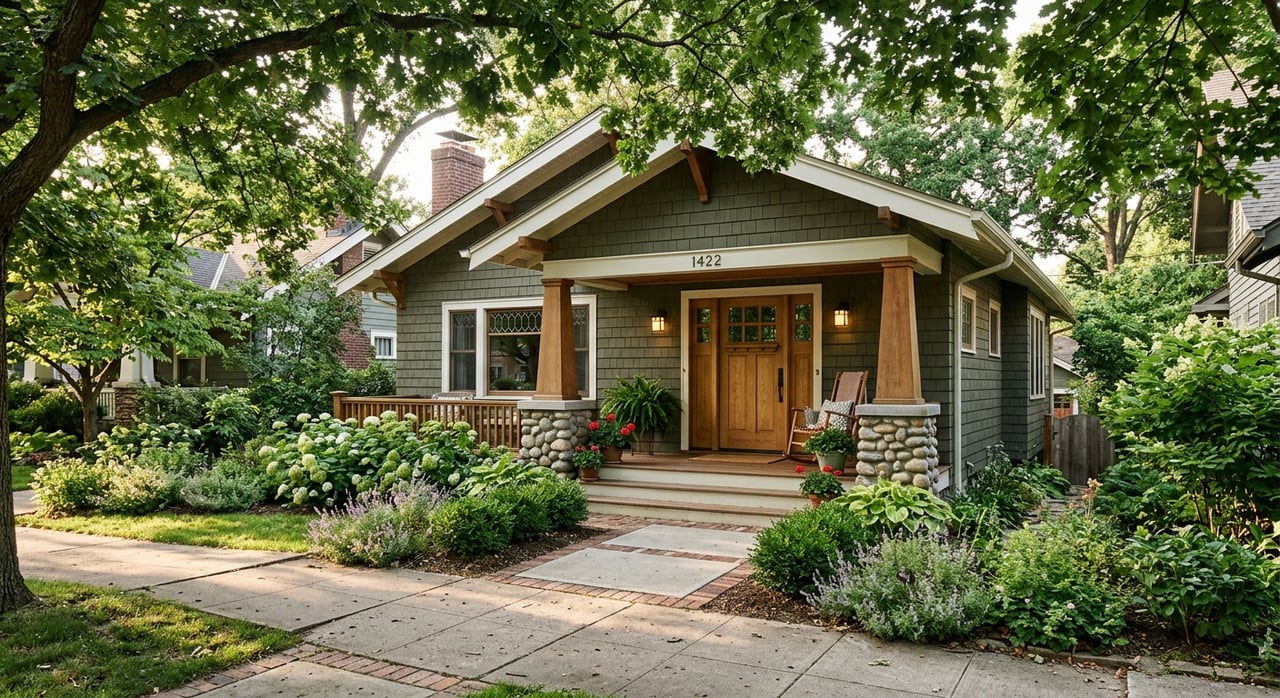
- Housing mix: Predominantly single-family homes with historic character and mature trees, plus a small-town main street feel in spots like Lincoln Avenue.
- Commute fit: Good for short to moderate drives to downtown or North San Jose. Transit is more limited than in the urban core.
- Lifestyle: Quiet, established streets with neighborhood amenities. Prices tend to run above many city averages, so align budget early.
Pros: Traditional neighborhood aesthetic and strong amenity value. Cons: Premium pricing, fewer condo options.
West San Jose, Santana Row, Valley Fair corridor
- Housing mix: Newer condos and townhomes near major retail and mixed-use hubs. Useful for executives with offices in Santa Clara or along the west side of the valley.
- Commute fit: Short to medium drives to many South Bay employers. VTA and shuttle options exist, though many residents drive.
- Lifestyle: Retail convenience and dining at your doorstep. West and southwest pockets rank among higher-priced areas, so weigh HOA and operating costs carefully.
Pros: Central retail and dining access. Cons: Pricing pressure in premium locations.
Berryessa and East San Jose
- Housing mix: Classic suburban single-family homes and townhomes, with newer multifamily near transit nodes.
- Commute fit: The Berryessa/North San Jose BART Station creates a useful link for East Bay and regional trips. Explore station details and connectivity on the Berryessa Transit Center page.
- Lifestyle: A mix of established streets and in-progress nodes around transit. If schools matter, confirm ratings and attendance zones on GreatSchools, and verify district boundaries at the district or county level.
Pros: Transit access to BART and broad Bay Area connections. Cons: Older housing stock in some areas and variable school ratings you should verify at the address level.
South San Jose: Almaden, Evergreen, Cambrian
- Housing mix: Single-family homes on larger lots with a traditional suburban feel.
- Commute fit: Expect longer auto commutes to northern tech hubs and downtown. This trade-off often makes sense if you prioritize outdoor space and a quieter daily rhythm.
- Lifestyle: Established neighborhoods with parks and open space nearby. If school assignments are a factor, check ratings and boundaries on GreatSchools and confirm with local districts.
Pros: Larger lots and residential character. Cons: Longer drives to North San Jose and peninsula corridors.
Commute and transit shortcuts you should know
- Caltrain electrification: Caltrain now runs fully electrified service on the Peninsula to San Jose corridor, launched September 21, 2024. Expect improved frequency and modern equipment along this line. See the announcement on the Caltrain electrified service page and check current schedules as you plan.
- BART and VTA: BART Phase I to Milpitas and Berryessa opened in 2020. Phase II, extending toward downtown San Jose and Santa Clara, is an active VTA project with evolving timelines. Track updates on VTA’s BART Silicon Valley pages and plan for future changes to downtown commute patterns.
- ACE rail: Altamont Corridor Express connects Stockton and the Tri-Valley to San Jose Diridon. It runs fewer trains than Caltrain, but for some longer-distance commuters it can be time-competitive door to door. See a system overview on the California passenger rail wiki page.
- Road network: US 101, I 280, I 880, CA 87, CA 85, and CA 237 are the primary corridors. Always test your specific route in Google Maps with “Depart at” and “Arrive by” to capture peak variability. For local bus and light rail, consult VTA maps and trip tools.
Your data-driven neighborhood checklist
Follow this repeatable framework before you fly in for tours.
- Define your commute requirement
- Set a hard door-to-door target, for example 30 minutes, and decide if it must be by car, transit, or shuttle.
- Build a 2 to 3 neighborhood short list
- Draw 30, 45, and 60-minute drive or transit isochrones in Google Maps or a similar planner. Filter by housing type using map-based search tools. Use neighborhood-level value snapshots to set expectations.
- Check commute time with real departure windows
- In Google Maps Directions, enter the exact office address and test “Depart at” or “Arrive by” during peak windows across multiple weekdays. For transit, use VTA system maps and Caltrain schedules and notices. If ACE is relevant, verify current timings and first or last mile options.
- Confirm last-mile options and frequency
- For BART and regional rail, check station facilities and connection timing. For buses and light rail, use the VTA trip tools to validate frequency near your short-listed addresses.
- Check schools and childcare, if relevant
- Use GreatSchools to review school information. Then confirm attendance boundaries with the local district or the Santa Clara County Office of Education.
- Check safety at the block level
- Review long-term and recent patterns. Start with the Crime Explorer San Jose page and layer in local police dashboards or neighborhood crime-mapping tools.
- Verify housing costs and supply
- Compare neighborhood-level value snapshots and recent sales metrics. Look at days on market and price trends for your exact property type, whether single-family, townhouse, or condo.
- Quantify walk, transit, and bike convenience
- Review taxes, HOA, and operating costs
- Use county records to estimate property taxes and review HOA documents for dues and rules. Include insurance, utilities, and expected maintenance in your monthly plan.
- Test in person
- Run two weekday morning commutes and one weekend visit. Time the parking and elevator steps, check cell coverage for remote work, and confirm any noise factors.
A practical 7-day relocation plan
- Day 1: Set your commute rule and budget bands. Decide car versus transit or hybrid.
- Day 2: Map 30 to 45-minute isochrones around the office. Shortlist 2 to 3 neighborhood groups that match your housing type.
- Day 3: Pull live commute tests for the same routes across three weekdays. Save screenshots and note ranges.
- Day 4: Screen schools and childcare, then verify boundaries. If not applicable, focus on amenities and park access.
- Day 5: Run safety checks at the block level and note any recent patterns.
- Day 6: Review active inventory and recent sales that match your criteria. Flag a tour set of 6 to 8 properties.
- Day 7: Visit in person or do guided virtual tours. Run at least one real-time commute from a top contender.
How we can help next
You deserve efficient onboarding and clear answers while you move your life and career. As a concierge advisor with deep San Jose expertise, I combine neighborhood insight with data-backed planning. From commute modeling and school or district verification to curated tours and vendor coordination, I help you focus on the few homes that truly fit. When you are ready, reach out to Janet Souza to schedule a private consult.
FAQs
Which San Jose neighborhoods minimize commute to North San Jose offices?
- Prioritize North San Jose, Berryessa, and central areas near US 101 and I 880 for consistent sub 30-minute drives. Build your route in Google Maps using “Depart at” or “Arrive by,” then layer in transit options via VTA maps and trip tools and Caltrain if your office is near Diridon.
Can I rely on public transit from the East Bay to San Jose?
- Yes, with planning. BART Phase I serves Milpitas and Berryessa, which connects to local VTA service into San Jose, and ACE provides limited but direct service to Diridon. Test your exact work hours and connections using VTA maps and ACE schedules.
What is Caltrain’s electrified service and why does it matter?
- Caltrain’s Peninsula to San Jose corridor now runs on electric trains with improved frequency and modern equipment, launched in September 2024. This can shorten and smooth commutes between San Jose and Peninsula hubs. See the Caltrain electrification announcement for details.
How long is the average commute in San Jose?
- The citywide average is about 28 minutes according to the DataUSA San Jose profile. Your door-to-door time will vary by neighborhood and mode, so always run live tests.
Where will my money go farther, Santa Clara or San Jose?
- It depends on the neighborhood and home type. Compare neighborhood-level value snapshots for both cities and weigh HOA dues, commute time, and transit access. Use recent sales in your exact segment to judge what your budget buys in each location.