Campbell's Mid-Century Homes: Systems to Check Before You Buy

Ask a Campbell buyer what they know about the city and you'll get the same three answers: the farmers market on Campbell Avenue, the Los Gatos Creek Trail running straight through town, and a median price that keeps outpacing the neighbors. Ask them what's behind the walls of the ranch home they just put an offer on, and most have no idea. That gap is worth addressing before an offer: a home's systems can matter as much as its listing price.
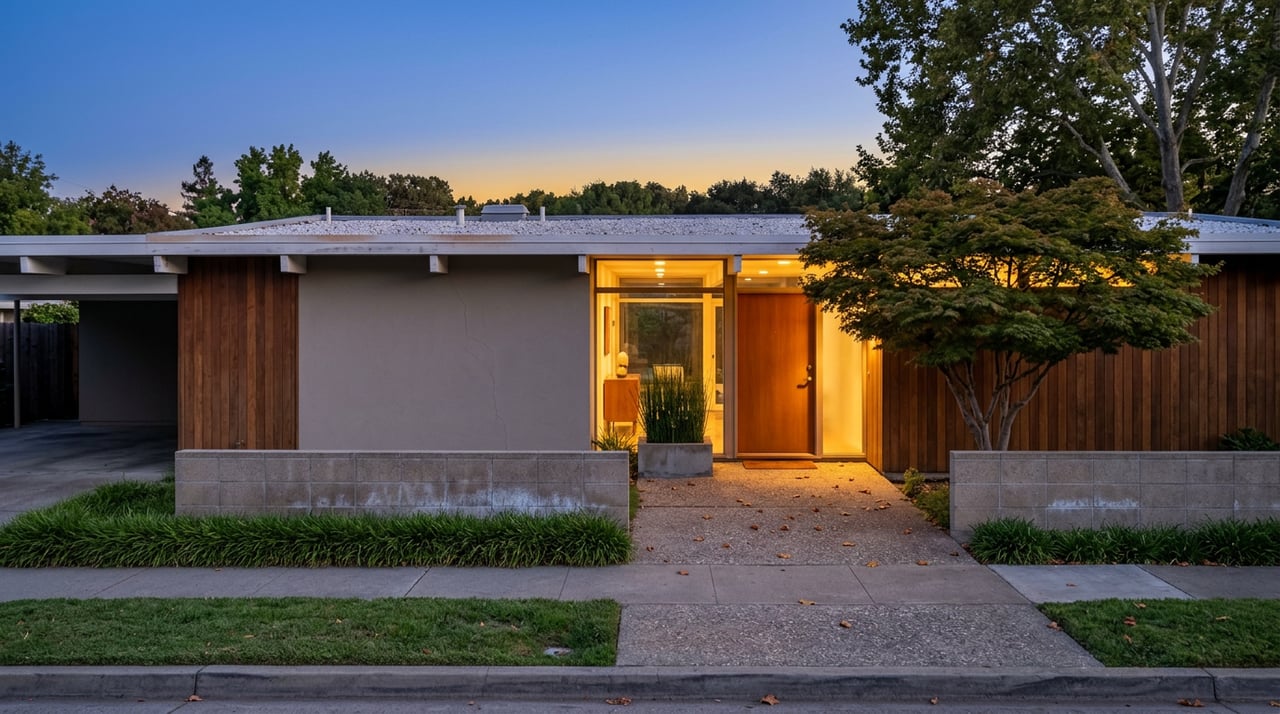
Campbell was incorporated in 1952, and the tract builders who converted its orchard land into subdivisions worked fast through the 1950s and into the 1960s. That single construction window is why Campbell has its character today: the one-story ranch homes on wide, calm streets, the mature shade trees, the settled feel that makes neighborhoods like Hacienda and San Tomas read as established rather than new. It's also why so many of those same homes share the same three aging systems, installed to the standards of an era that ended before most current owners were born.
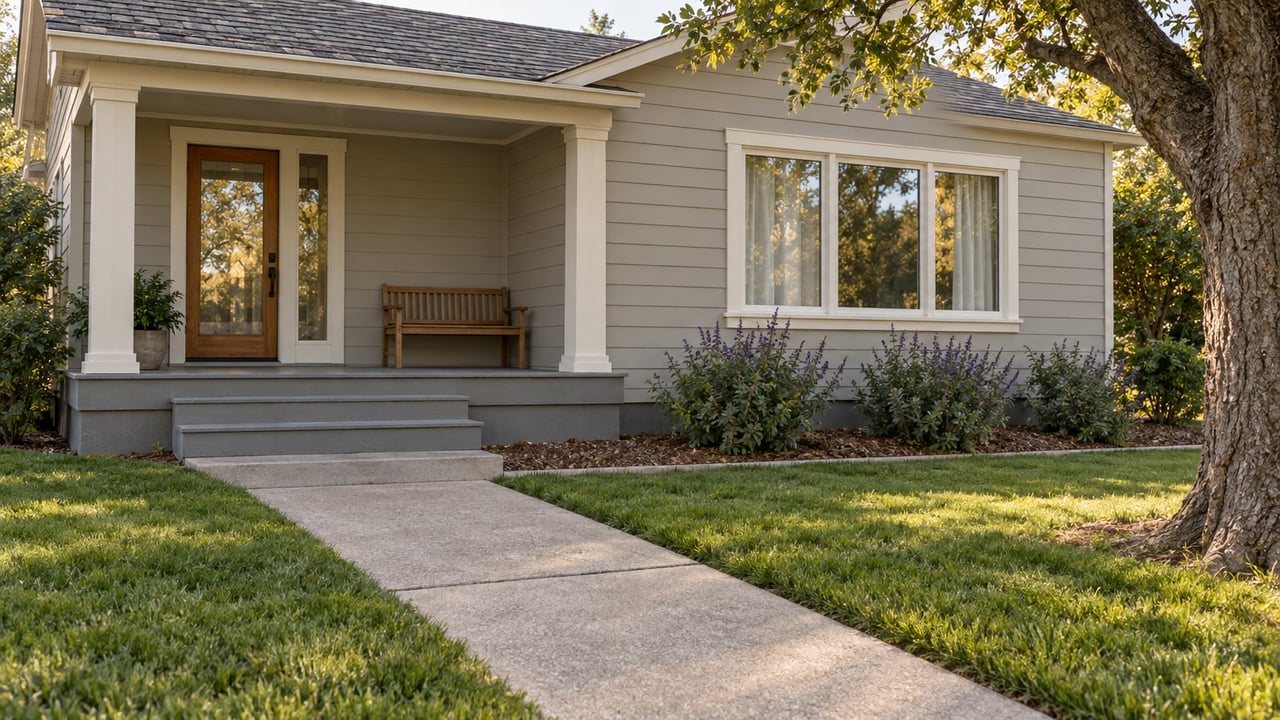
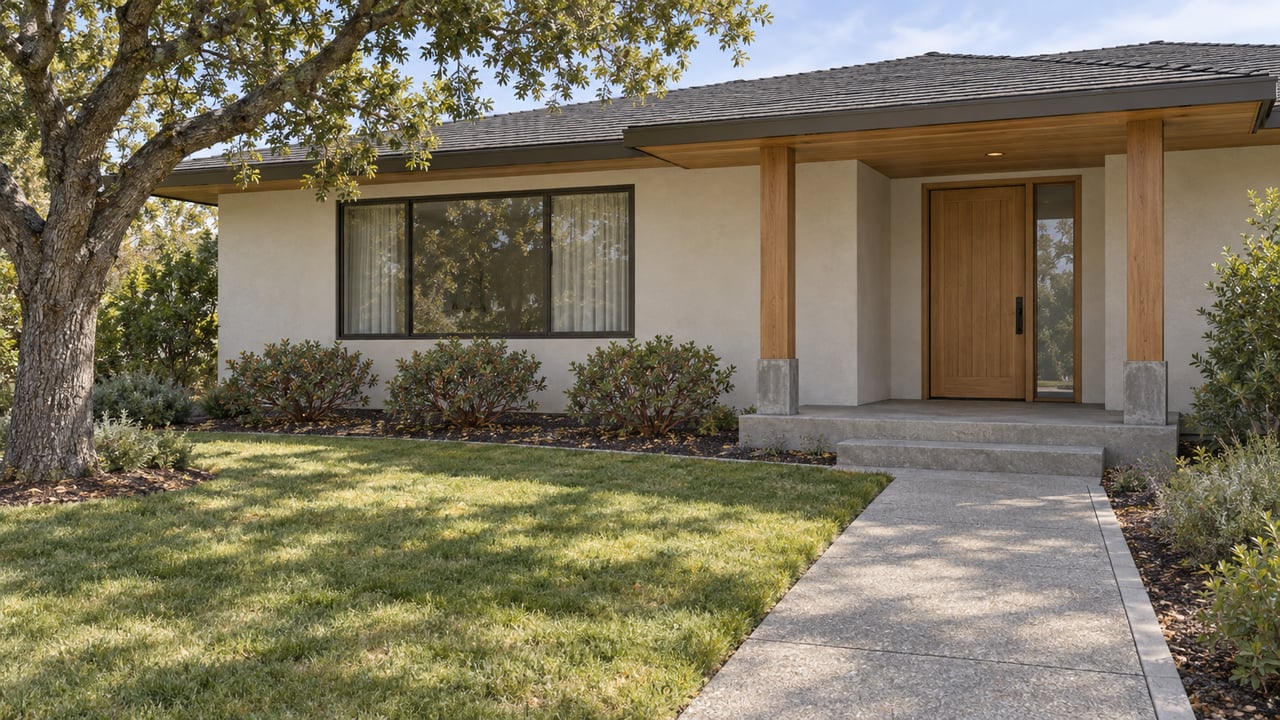
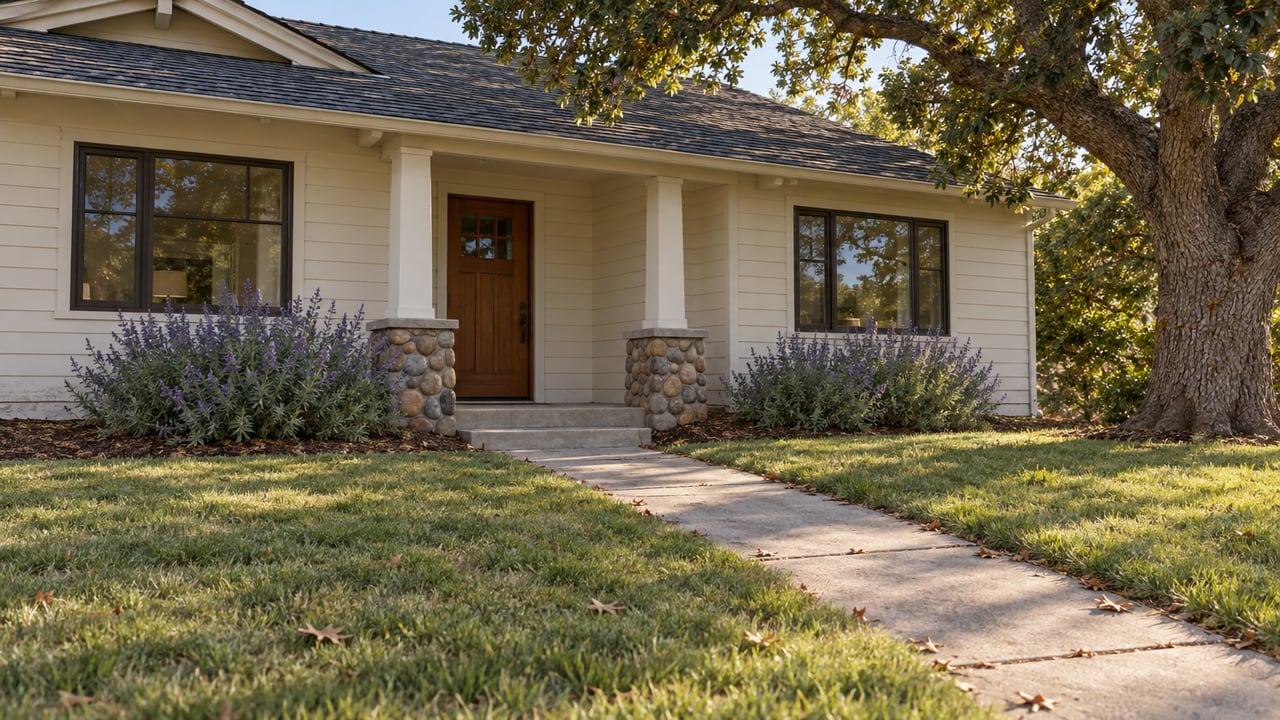
Walk through Hacienda, just south of Campbell Avenue, and you're walking through a pocket of one-story mid-century ranch homes on wide, tidy streets. Head toward San Tomas or San Tomas Aquinos and you'll find the same story: midcentury ranch homes on tree-lined blocks. The Pruneyard and Dry Creek area carries larger, more traditional ranch-style homes on bigger lots, a short walk from the shopping center. Closer to downtown, Campbell Village offers smaller bungalows and townhomes tucked near the Community Center. All of it traces back to the same building boom.
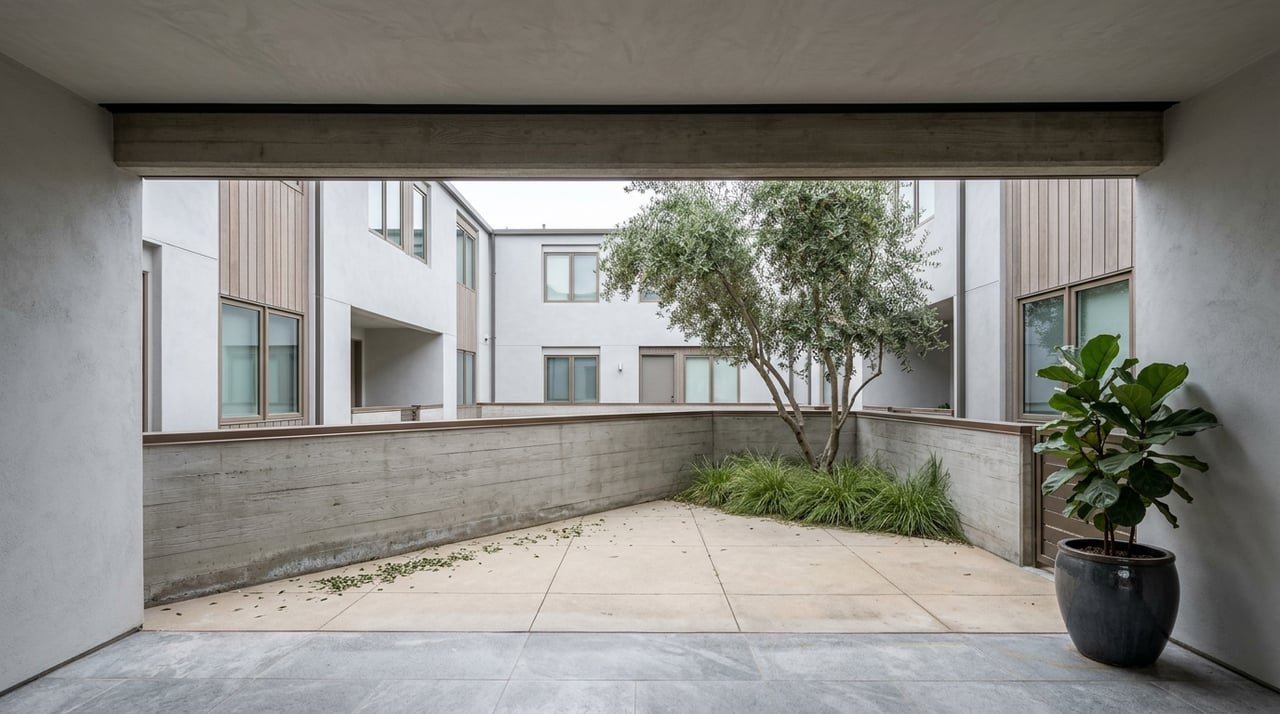
Sunnyside Heights, a small new-construction enclave of just six homes near downtown, was built decades after the systems in question stopped being standard practice. New construction offers a different build-era profile. Homes built in that first wave of tract development may still carry some of the same three systems, depending on what has been updated.
Three things show up in Campbell inspection reports with enough regularity that a good inspector can often guess the decade of construction before checking the permit file.
Galvanized steel supply pipe. This was the standard water line material from the early 1900s through roughly 1975, and it was used throughout Campbell's post-war residential core, including the neighborhoods around the downtown corridor, Hacienda, and Orchard City Drive. These pipes corrode from the inside, which means the classic symptoms, rust-colored water, dropping pressure, and low flow at multiple fixtures, often show up years after the pipe has already started failing. At 60 to 70 years old, most of these systems are now well past their intended service life.
Aluminum branch wiring. Between roughly 1965 and 1973, copper prices spiked and builders across the country, Campbell included, switched to aluminum for standard branch circuits. It conducts electricity fine, but it expands and contracts more than copper does, which loosens connections at outlets and switches over time and raises the risk of a hot spot developing at a receptacle or light fixture. Homes built in that narrow window represent a real share of Campbell's housing stock, and unless a home has had a documented rewire, the original aluminum is often still there.
Original electrical panels. Panels installed from the 1950s through the 1980s sometimes used breakers that have since been documented to fail to trip during an overcurrent event, which defeats the entire purpose of a breaker. Replacing a panel is a smaller job than a full rewire, but it's frequently the item that surfaces on an inspection report for a home that otherwise looks well maintained.
None of these three findings are unusual for a Campbell home of this era. Buyers can ask about these systems before they're already in contract.
| System | Standard installation era | What shows up today | Typical fix |
|---|---|---|---|
| Galvanized steel supply pipe | Early 1900s–1975 | Rust-colored water, low pressure, recurring leaks | Whole-house repipe, roughly $4,000–$10,000 |
| Aluminum branch wiring | 1965–1973 | Loose connections, hot spots at outlets and switches | Full or partial rewire, roughly $8,000–$20,000 |
| Original panel and breakers | 1950s–1980s | Breakers that fail to trip on overcurrent | Panel replacement, roughly $2,500–$5,000 |
A citywide number alone does not show differences in local market timing. As of July 2026, Zillow put Campbell's average home value at $1,881,250, up 2.7 percent over the past year, the kind of figure that suggests one steady, predictable market. It isn't. Earlier this year, Redfin's neighborhood-level data showed two Campbell pockets carrying the same $1.6 million submarket median and behaving nothing alike. Over the three months ending May 2026, Central Campbell homes sold in an average of just 11 days, down from 23 days the year before, in a pocket Redfin rated 85 out of 100 for competitiveness. Over the three months ending March 2026, Downtown Campbell homes at that identical $1.6 million median took an average of 55 days to sell, up from just 13 days the year before, on a sample of only nine closed sales.
Same headline price. Completely different clock. That gap matters more than the price gap. An 11-day pocket like Central Campbell gives a buyer almost no room to discover a galvanized pipe problem after writing an offer and still negotiate a credit before someone else closes on the house. A 55-day pocket like Downtown Campbell, even at the identical median, gives a buyer real time to get a plumber's second opinion or negotiate repairs before anyone else is competing for that specific property. The citywide average tells you what Campbell costs in general. It tells you nothing about how much time you'll have, in the specific pocket you're buying into, to deal with what the inspector finds.
The practical move, whether you're buying or preparing to sell a Campbell ranch home, is to treat the build era as information you gather before the offer stage, not after.
None of this makes a 1960s Campbell ranch a bad buy. It makes it a predictable one, if you know which questions to ask before you're competing against another offer.
Does every 1950s or 1960s home in Campbell have galvanized pipe or aluminum wiring? Not automatically. Plenty of these homes have been repiped or rewired over the decades. The build era tells you the risk is worth checking, not that the problem is guaranteed. The permit history and the inspection are what actually confirm it.
If an inspection finds aluminum wiring, what might the parties discuss before closing? A credit, a price adjustment, or the buyer accepting the condition may be among the options.
Is there a way to check a home's systems before writing an offer in a pocket that's selling in 11 days? Yes. Requesting permit history from the City of Campbell takes a phone call or an online request, and it can be done before you ever submit an offer, which is the only way to get ahead of an 11-day timeline.
If you're weighing a Campbell ranch home, whether you're the one buying it or the one about to list it, the build era is worth knowing before the inspection contingency, not during it. Janet Souza works Campbell alongside Los Gatos and Saratoga daily, with the negotiation discipline and transaction management to get ahead of exactly this kind of finding before it costs you leverage. If you want a clear-eyed read on a specific Campbell address, from permit history to what a fair credit actually looks like, schedule a chat and bring the address.
This article is general information, not legal, tax or financial advice. Consult a qualified professional about your situation.

Hello! I'm Janet Souza, lifestyle blogger and REALTOR® at Christie's International Real Estate Sereno. I live and work in Silicon Valley and love everything our wonderful area has to offer. If you live in Silicon Valley or are thinking about moving here, you've come to the right place! Stay up to date with local events, theater, concerts, Real Estate and more!

Cookies
Enjoy the delightful marzipan-type filling!

Fundamental to how Janet Souza views her role as her client’s real estate advisor, she seamlessly blends her former professional worlds that span consulting, engineering, marketing, strategy, and executive sales negotiations as her frame of reference, bringing a premier standard of performance and uncompromised integrity to her clients.