Single-Family vs Townhome Living In Sunnyvale
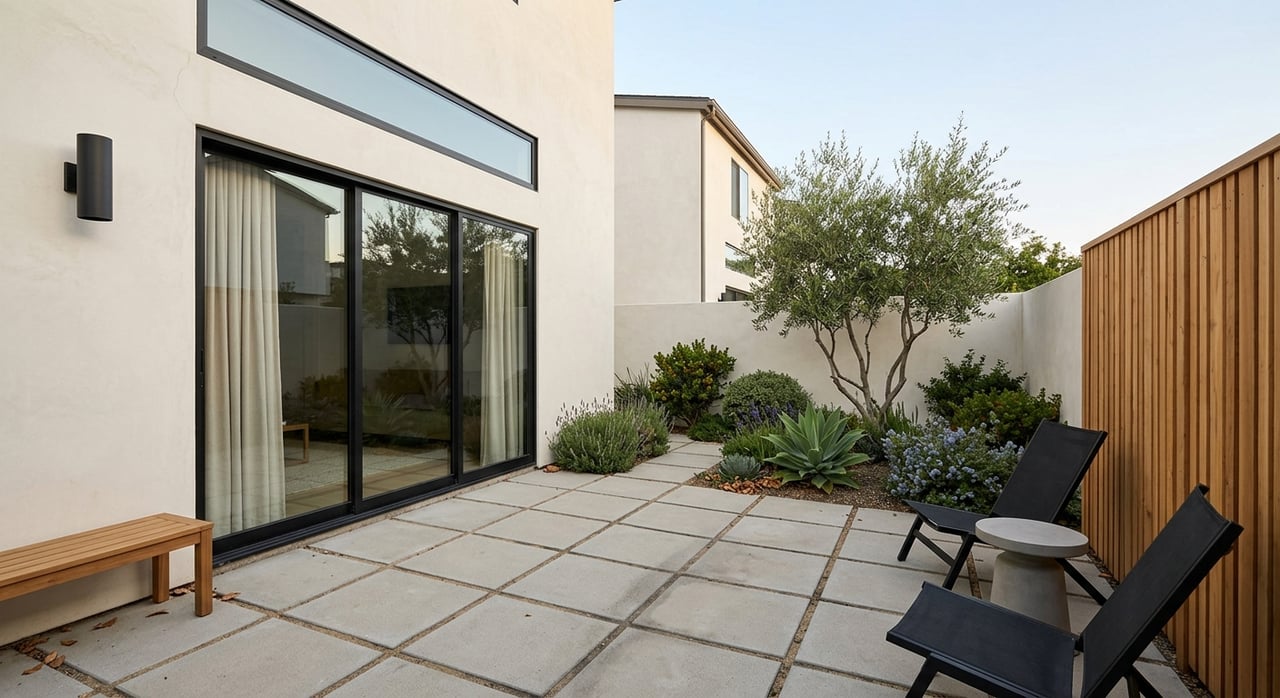
Trying to choose between a single-family home and a townhome in Sunnyvale? In this market, that decision is rarely just about style. It is usually about how you want to live day to day, how much monthly cost feels comfortable, and how much control you want over your home and outdoor space. If you are weighing both options, a clear side-by-side view can help you move forward with confidence. Let’s dive in.
In Sunnyvale, the single-family versus townhome decision often comes down to privacy and autonomy versus lower carrying cost and less upkeep. Both property types can be strong options, but they serve different priorities.
The local market also moves quickly. In Redfin’s March 2026 citywide snapshot, homes in Sunnyvale were getting about five offers on average and selling in about 10 days. That means your decision is not only personal, but practical. You need to know what matters most before the right property appears.
One of the biggest differences is purchase price. According to the Santa Clara County Association of Realtors’ February 2026 report, Sunnyvale’s median sale price was $2.675 million for single-family homes and $1.4612 million for Condo & Townhome properties.
That price gap matters because it shapes your down payment, monthly payment, and overall flexibility. In a high-cost market like Sunnyvale, many buyers look at attached homes first because they can offer a lower entry point.
Using those February 2026 medians, a 20% down payment assumption, and Freddie Mac’s May 21, 2026 average 30-year fixed rate of 6.51%, the rough principal-and-interest payment is about $13,500 per month for the median single-family home and about $7,400 per month for the median Condo & Townhome.
That estimate does not include property taxes, HOA dues, insurance, or routine maintenance. In Santa Clara County, your tax bill includes the 1% general levy plus any voter-approved special taxes and city or district direct assessments. Supplemental taxes may also apply after a change in ownership or new construction.
If privacy is high on your list, a single-family home usually has the edge. Detached homes generally offer more separation from neighbors, more direct control over the yard, and more flexibility for future exterior changes.
Townhomes, by contrast, often include shared walls and common property or facilities. That can mean closer proximity to neighbors, less acoustic separation, and more shared landscaping or amenities. While every community is different, attached living usually involves more overlap with the surrounding homes.
Single-family homes tend to give you more room to make decisions about landscaping, fencing, and how you use your outdoor areas. If you picture gardening, redesigning the yard, or making exterior updates over time, that added control can be a major benefit.
Townhome communities often have more rules around exterior changes. California common-interest developments typically use CC&Rs and architectural guidelines to regulate items like landscaping, parking, balconies, decks, and visible exterior updates. So if flexibility matters to you, it is important to read those documents closely before you buy.
A lot of buyers assume townhome living always means easy maintenance and single-family living always means total responsibility. In reality, the details depend on the governing documents.
In California common-interest developments, HOA membership is automatic when you buy within the project. The CC&Rs define rules, assessments, insurance, and architectural controls. Under California Civil Code 4775, the association generally maintains the common area unless the declaration says otherwise, while the owner maintains the separate interest and generally any exclusive-use common area.
For a townhome, the real question is not just “Is there an HOA?” The better question is what exactly does the HOA cover, and what still falls on you?
Regular assessments usually fund day-to-day operations and reserve maintenance. Special assessments can be charged for major repairs or unexpected costs. Before making an offer on a townhome, you will want to review:
You should also ask whether the HOA covers items such as:
Single-family homes usually offer more control, but they also put more maintenance directly on your shoulders. That includes roof care, exterior upkeep, landscaping, pest work, and other deferred-maintenance items.
This point is especially important in Sunnyvale because the city’s Consolidated Plan notes that about 70% of the housing stock was built in 1979 or earlier. Older homes can offer charm, established settings, and larger lots, but they may also come with aging systems or repairs that need planning and budget.
If you are leaning toward a detached home, look beyond the purchase price. You may also need reserves for:
For many buyers, that tradeoff is worth it. For others, having some exterior maintenance handled through an HOA feels more manageable.
The best fit often becomes clearer when you think about your daily routine, not just the floor plan. A single-family home may suit you better if you value privacy, want more separation, or expect to personalize the property over time.
A townhome may suit you better if you want a lower purchase price, less yard work, and a simpler maintenance routine. That can be especially appealing if your schedule is full, you travel often, or you want a more predictable ownership experience.
Sunnyvale’s housing mix also helps explain why this choice comes up so often. The city’s Consolidated Plan says about 36% of the housing stock is single-family detached, with a larger share made up of other housing types, including townhome-style living.
That means many buyers in Sunnyvale naturally compare attached and detached options side by side. In a market where both segments are selling above list on average, knowing your priorities can help you act faster and make a more confident decision.
It is easy to focus on the upfront number, but the smarter comparison is total monthly ownership cost. A townhome with HOA dues may still cost less overall than a detached home with a much higher loan payment and larger direct maintenance needs.
On the other hand, a single-family home without HOA dues may still feel like the better long-term fit if you value control and are prepared for upkeep. The right answer depends on whether you are optimizing for monthly budget, lifestyle, or long-term autonomy.
If you are deciding between the two, start with these questions:
Those answers usually point you in the right direction quickly.
Whether you are moving across Silicon Valley or relocating into the area, the best purchase is the one that fits both your numbers and your lifestyle. If you want a clear, data-informed look at Sunnyvale options and a calm strategy for comparing homes, Janet Souza can help you evaluate the tradeoffs and move with confidence.

Hello! I'm Janet Souza, lifestyle blogger and REALTOR® at Christie's International Real Estate Sereno. I live and work in Silicon Valley and love everything our wonderful area has to offer. If you live in Silicon Valley or are thinking about moving here, you've come to the right place! Stay up to date with local events, theater, concerts, Real Estate and more!

Cookies
A gooey baked s'mores bars recipe that's perfect for warm-weather days
Fundamental to how Janet Souza views her role as her client’s real estate advisor, she seamlessly blends her former professional worlds that span consulting, engineering, marketing, strategy, and executive sales negotiations as her frame of reference, bringing a premier standard of performance and uncompromised integrity to her clients.