What Day‑to‑Day Life Is Really Like in Sunnyvale
If you are wondering whether Sunnyvale feels more like a busy tech hub or a comfortable place to put down roots, the honest answer is both. Day to day, life here tends to feel practical, connected, and surprisingly outdoorsy, with quiet residential streets, short routines between errands and commutes, and easy access to parks, trails, and dining. If you are considering a move or simply trying to picture what living here actually feels like, this guide will help you understand the rhythm of daily life in Sunnyvale. Let’s dive in.
Sunnyvale is a Silicon Valley city with a mild climate, established neighborhoods, local merchants and eateries, frequent festivals and concerts, and a year-round farmers market, according to the City of Sunnyvale. That combination gives it a lived-in, everyday feel rather than a flashy one.
You are not stepping into a city built around one dramatic center. Instead, daily life is spread across neighborhood streets, parks, smaller retail areas, village centers, and a compact downtown. In practice, that often means your week moves between work, school runs, errands, outdoor time, and a dinner or coffee stop close to home.
For many residents, Sunnyvale works well as a home base. The Metropolitan Transportation Commission reports that Sunnyvale residents spent under 23 minutes getting to work in 2024, and U.S. Census QuickFacts lists a mean travel time to work of 23.0 minutes in the 2020 to 2024 period.
The city’s 2025 to 2030 Consolidated Plan adds an important detail: 57% of Sunnyvale households with workers commute outside the city, and 12% commute outside the county. That helps explain why Sunnyvale often appeals to people who want a residential setting with strong regional access.
Your experience will depend on where you live and where you work, but Sunnyvale is clearly designed for movement. Cars still play a major role for many households, especially for longer cross-town trips or regional commuting.
At the same time, Sunnyvale is not car-only. The city maintains an Active Transportation Plan, a Sunnyvale Bike Map, HAWK beacons, pedestrian scrambles, and bike boxes, and it is studying improved walking and biking access around the Sunnyvale Caltrain Station.
VTA provides bus, light rail, and paratransit service across Santa Clara County, including Sunnyvale. It also participates in regional rail service through Caltrain, Capitol Corridor, and ACE.
That means you have options if you want to mix driving with transit or choose a more flexible routine. Downtown, station-adjacent blocks, and some mixed-use areas are especially practical for people who want easier access to multiple ways of getting around.
One of Sunnyvale’s biggest lifestyle strengths is how easy it is to spend time outside without making it a major event. The city has 772 acres of parks and open space, and its trail system connects parks, schools, creeks, neighboring communities, and trails along the San Francisco Bay.
That matters because outdoor life here is woven into ordinary routines. You can fit in a morning walk, a quick playground visit, an evening bike ride, or a weekend outing without needing to leave the city.
Sunnyvale’s park system is not centered on just one destination. Instead, it is spread across the city in a way that supports everyday use.
Notable options include:
These spaces support biking, jogging, hiking, wildlife viewing, and short neighborhood outings. Most neighborhood parks are open from sunrise to sunset, which makes them easy to work into your schedule.
If you want the most concentrated dining and activity, downtown Sunnyvale is the center of it. The city describes downtown as about 150 acres, including Historic Murphy Avenue, Cityline or Town Center, Plaza Del Sol, and Redwood Square.
Murphy Avenue is known as a popular dining and entertainment destination, and the city says it is being converted to a pedestrian-only mall. That pedestrian focus gives downtown a more relaxed, social feel and makes it one of the easier parts of Sunnyvale to enjoy on foot.
For everyday life, downtown can serve as your go-to spot for casual meetups, meals, errands, and events. Cityline, a 36-acre mixed-use project in the downtown core, combines retail, dining, entertainment, office, and housing uses.
That mix gives Sunnyvale a central gathering place without making the whole city feel urban or crowded. You can enjoy a more active setting when you want it, then return to quieter residential streets nearby.
A big part of Sunnyvale’s appeal is that much of daily life happens away from major commercial strips. The city’s village center planning describes these areas as neighborhood focal points that provide retail, services, and food access, usually within walking and biking distance of nearby homes and connected to pedestrian, bicycle, and transit networks.
That pattern shapes how the city feels. Instead of relying on one downtown for everything, many residents use a mix of local centers for groceries, takeout, coffee, and routine errands.
A common question is whether Sunnyvale is walkable. The most walkable areas are downtown, station-adjacent blocks, and village-center areas.
In many other parts of the city, a car is still useful for longer trips. Still, the city is actively expanding bike and pedestrian connections, which adds convenience for shorter daily outings and neighborhood travel.
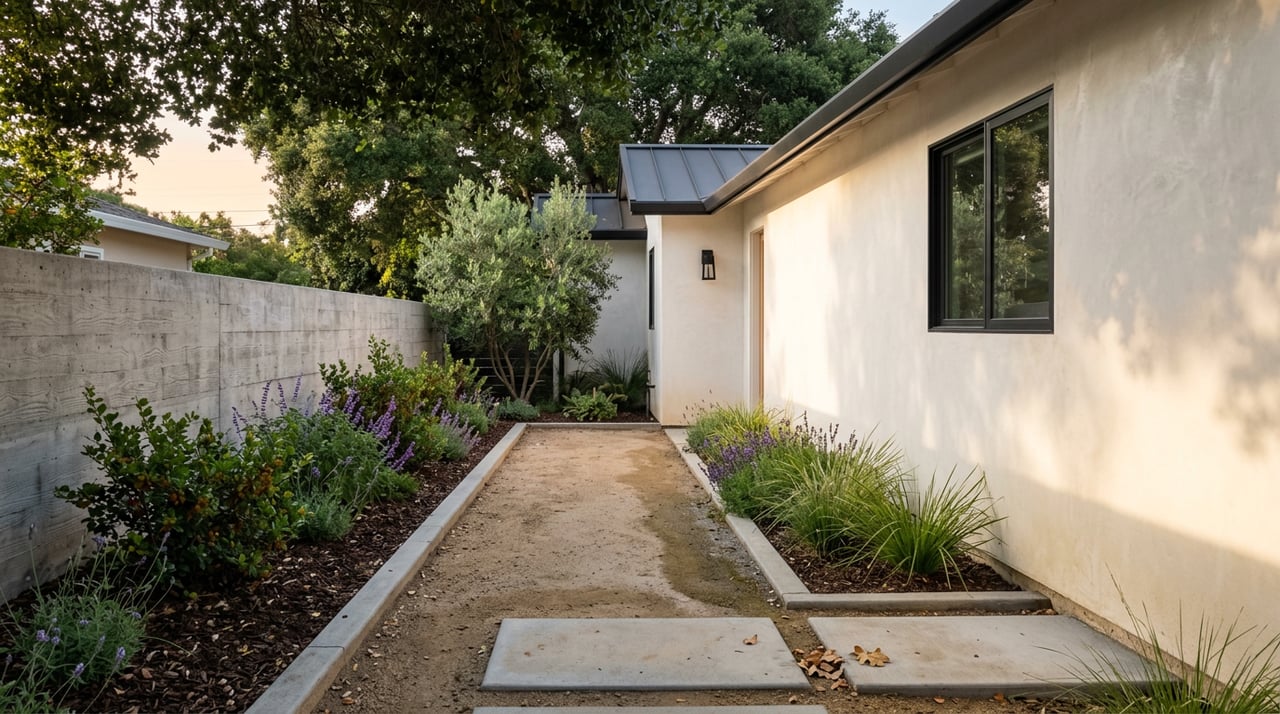
Sunnyvale’s housing stock often surprises buyers who expect only newer tech-era development. According to the city’s 2025 to 2030 Consolidated Plan, 70% of the housing stock was built in 1979 or earlier, 37% of housing is single-family detached, and the city includes single-family homes, multifamily properties, and mobile homes.
That older foundation gives many neighborhoods an established, low-profile look. Streets can feel mature and understated rather than master-planned or newly built.
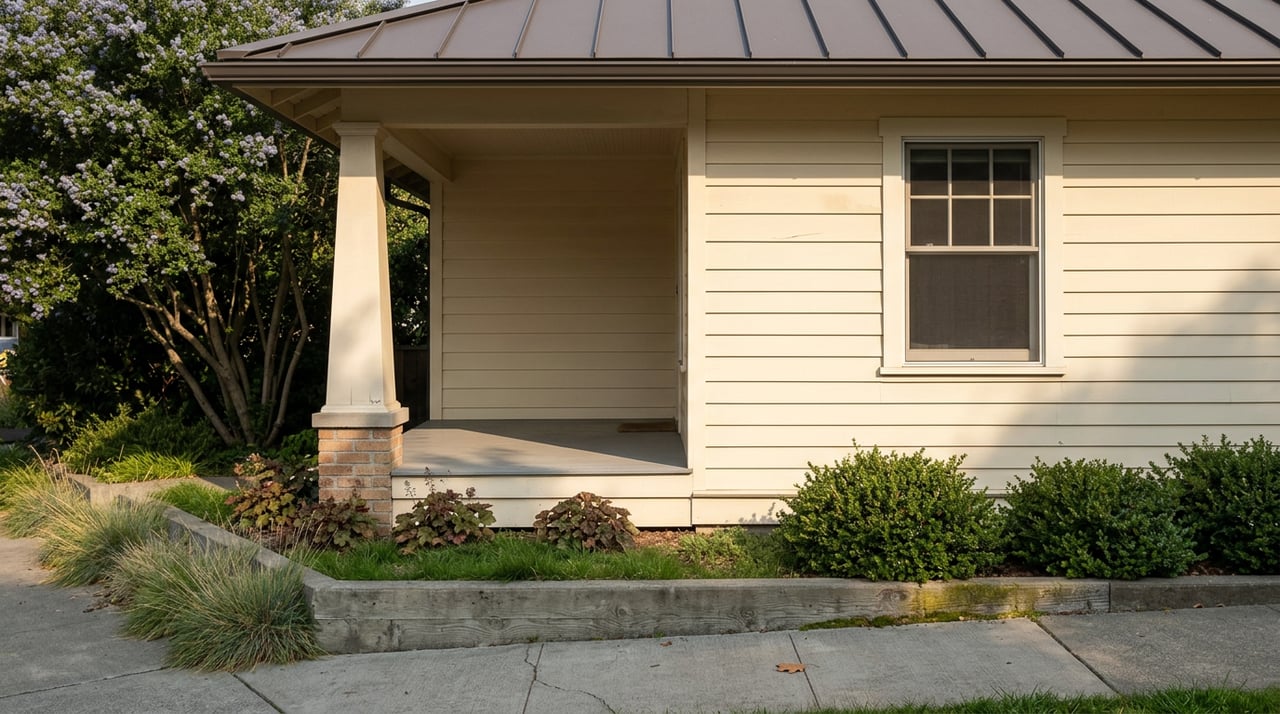
The Heritage District is the oldest residential area in Sunnyvale, and the city says it includes 69 historic homes or streetscapes. Most of its single-family homes are modest single-story bungalows.
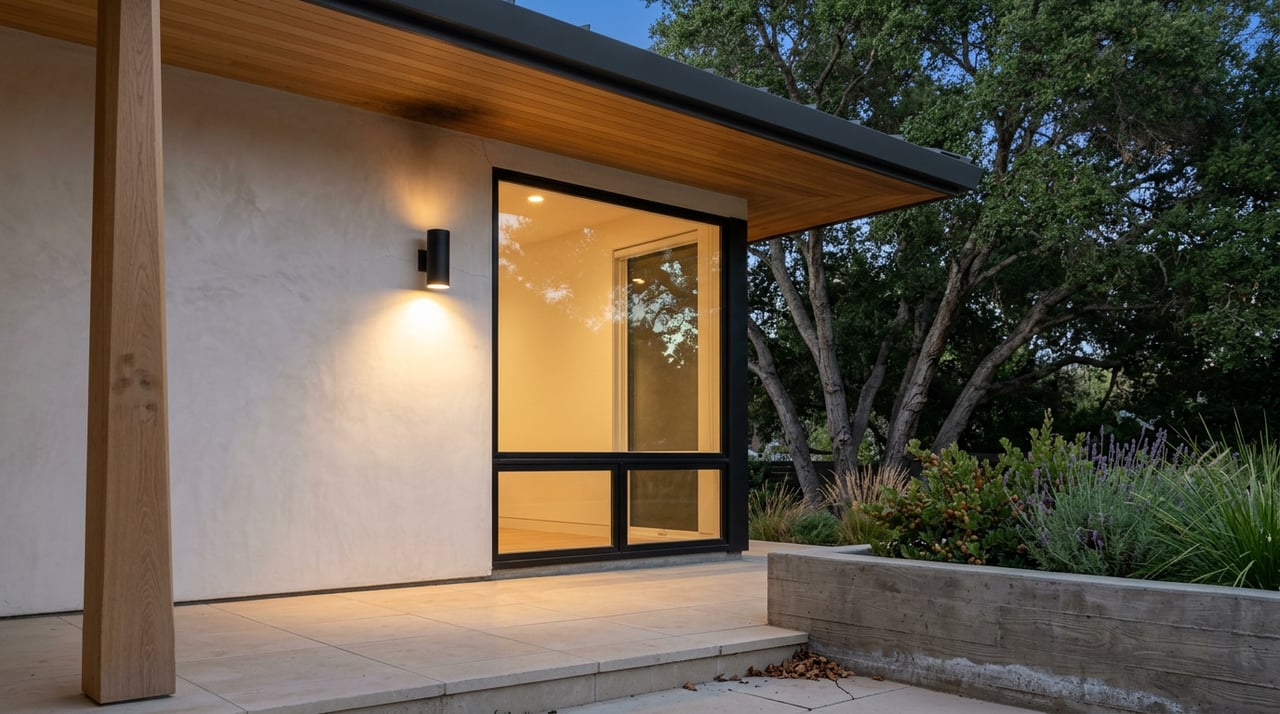
The city’s Historical Context Statement also notes that early Eichler tracts in Sunnyvale included mostly ranch-style homes, along with some modern flat-roofed houses, attached garages, and open, glass-heavy layouts tied to mid-century California design. That helps explain why some Sunnyvale neighborhoods feel distinctly low-slung, mid-century, and quietly architectural.
If you are looking for newer housing, you are more likely to find it in condos, townhome-style projects, and mixed-use infill near downtown and village centers. Recent approved village-center projects include mixed-use redevelopment and townhome-style condominiums.
That creates a different lifestyle option. You may trade a larger lot for proximity to shops, services, dining, and transit connections.
What makes Sunnyvale stand out is its flexibility. You can build a routine around a regional commute, a local park, a quieter residential street, and a downtown dinner all in the same week.
It can suit buyers who want established neighborhoods, people who value mixed transportation options, and households looking for housing choices beyond one standard format. Whether you prefer a classic ranch-style street, a bungalow area with historic character, or a newer home near amenities, Sunnyvale offers a mix that supports different lifestyles.
At its core, Sunnyvale feels functional in the best sense of the word. It is a place where everyday life tends to run smoothly, with mild weather, practical commutes, accessible outdoor space, and a housing mix that reflects both the city’s history and its continued growth.
If you are evaluating Sunnyvale as your next move, it helps to look beyond broad labels and focus on how you want your week to feel. In Sunnyvale, that week often looks like a blend of work access, neighborhood calm, casual convenience, and time outside.
If you want help comparing Sunnyvale neighborhoods or finding the right fit for your lifestyle in Silicon Valley, connect with Janet Souza. Her concierge-style guidance can help you move forward with clarity and confidence.

Hello! I'm Janet Souza, lifestyle blogger and REALTOR® at Christie's International Real Estate Sereno. I live and work in Silicon Valley and love everything our wonderful area has to offer. If you live in Silicon Valley or are thinking about moving here, you've come to the right place! Stay up to date with local events, theater, concerts, Real Estate and more!

Cookies
A gooey baked s'mores bars recipe that's perfect for warm-weather days
Fundamental to how Janet Souza views her role as her client’s real estate advisor, she seamlessly blends her former professional worlds that span consulting, engineering, marketing, strategy, and executive sales negotiations as her frame of reference, bringing a premier standard of performance and uncompromised integrity to her clients.